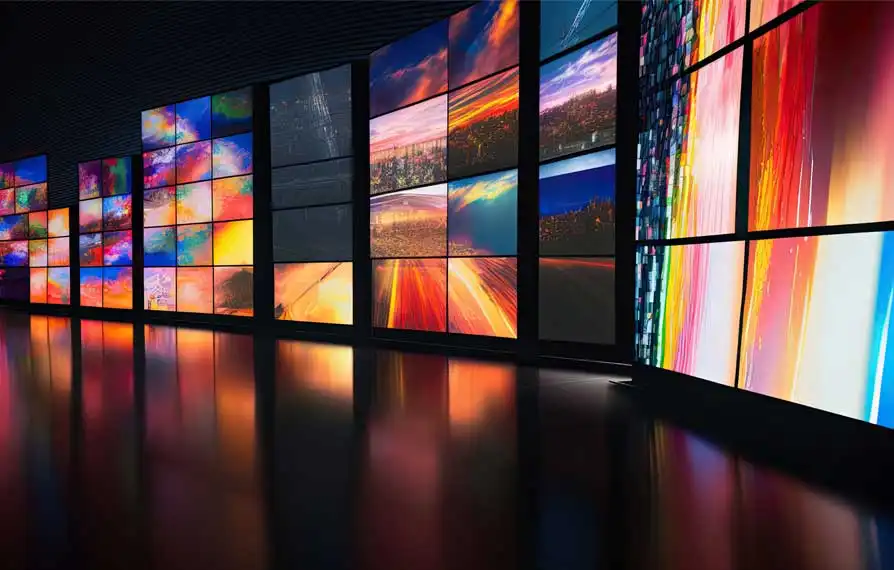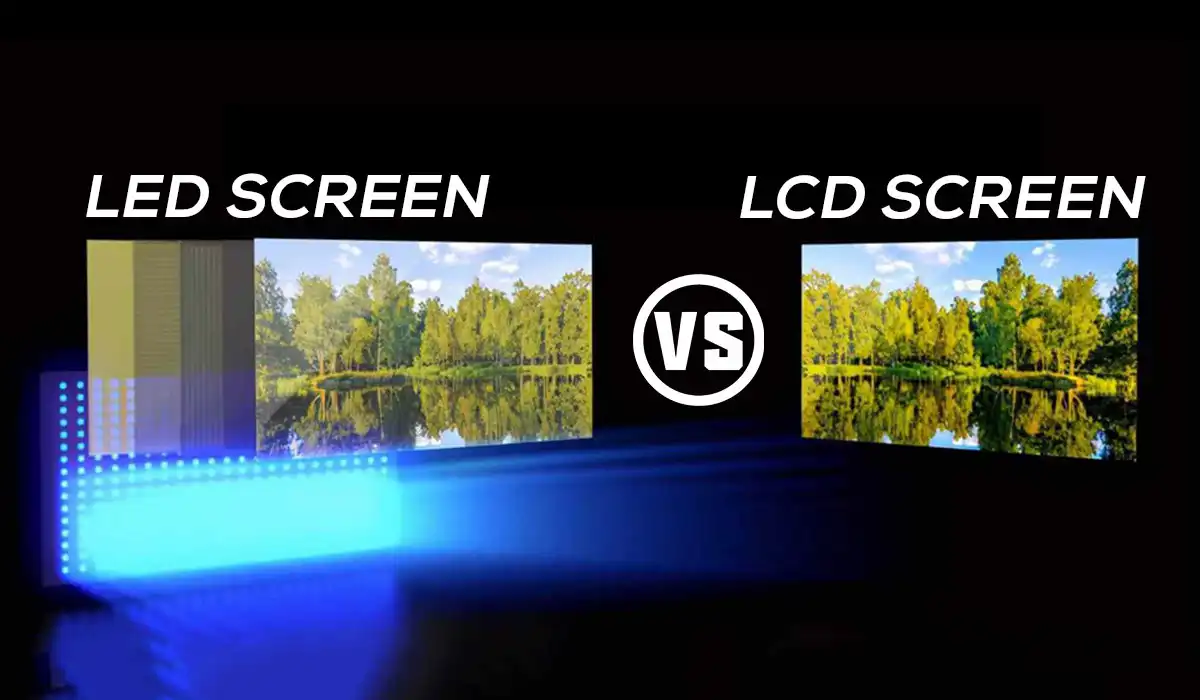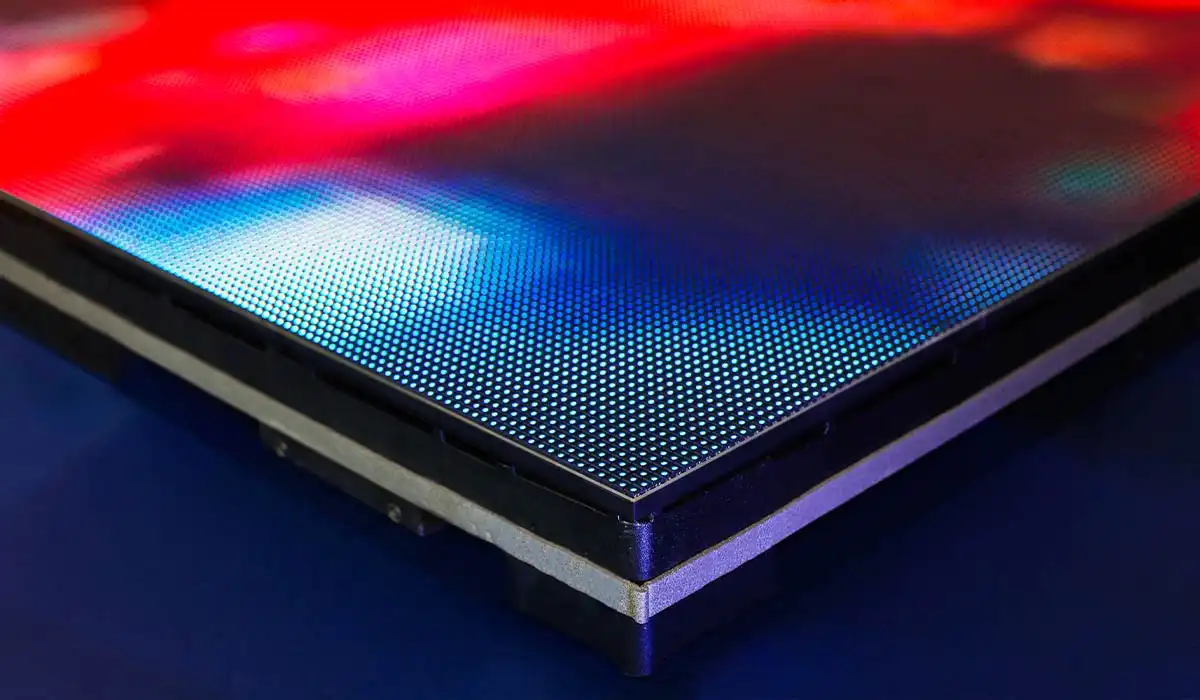




Las pantallas LED se crean combinando muchos LED pequeños en un patrón específico, que se pueden colocar detrás o alrededor de los bordes de la pantalla.
17.05.2023
NEWS
Latest Trends in LED Screen Technology
In today’s fast-paced digital world, display solutions are evolving at an unprecedented rate. From immersive advertising to interactive event experiences, the demand for more advanced and reliable screens is driving continuous innovation across industries. One of the most impactful developments in this space is the advancement of the LED screen. LED screens have come a long way from simple signage panels to complex systems capable of rich visuals, energy efficiency, and superior performance in both indoor and outdoor environments.
What Is an LED Screen?
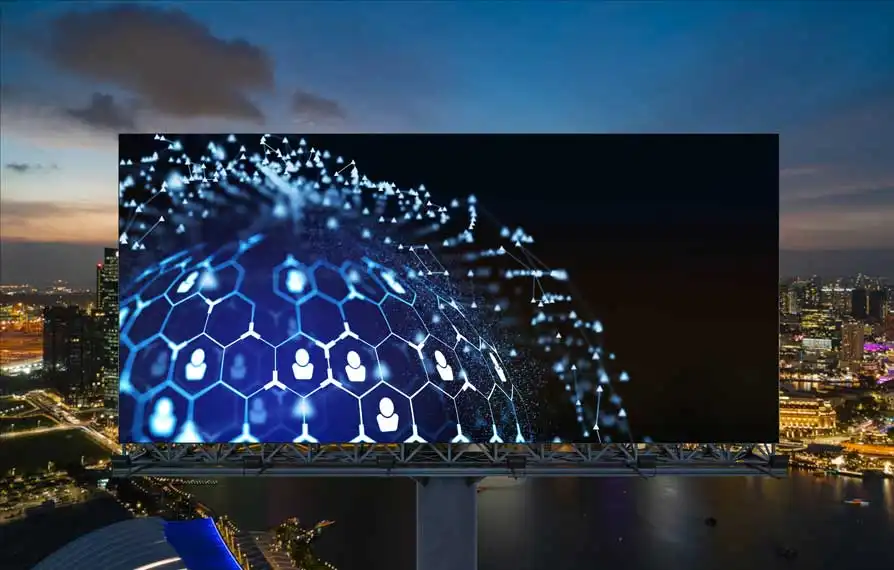
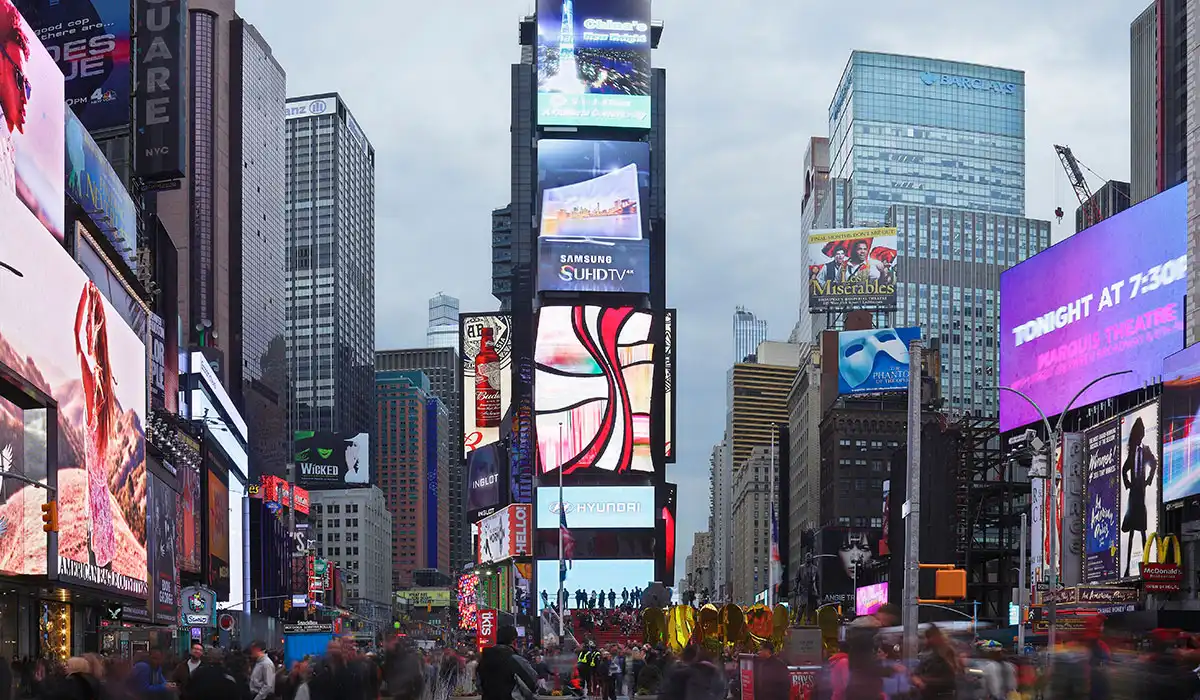
At its core, an LED screen is a display system composed of light-emitting diodes (LEDs) that form pixels to produce high-brightness visuals. These screens outperform traditional LCD and projection systems by offering better contrast, brightness, and energy efficiency. Over the years, LED technology has become the go-to solution for applications ranging from advertising billboards to stage backdrops and large-scale digital signage.
Emerging Trends in LED Screen Technology
1. Higher Resolution Displays
One of the most significant trends shaping the LED market is the demand for higher resolution screens. As consumer expectations rise, so does the demand for displays capable of showing sharper, clearer images even at close viewing distances. High-resolution LED screens now deliver pixel pitches as fine as 0.9mm, making them ideal for environments where image quality matters most, such as corporate lobbies, control rooms, and luxury retail spaces.
2. Curved and Flexible LED Screens
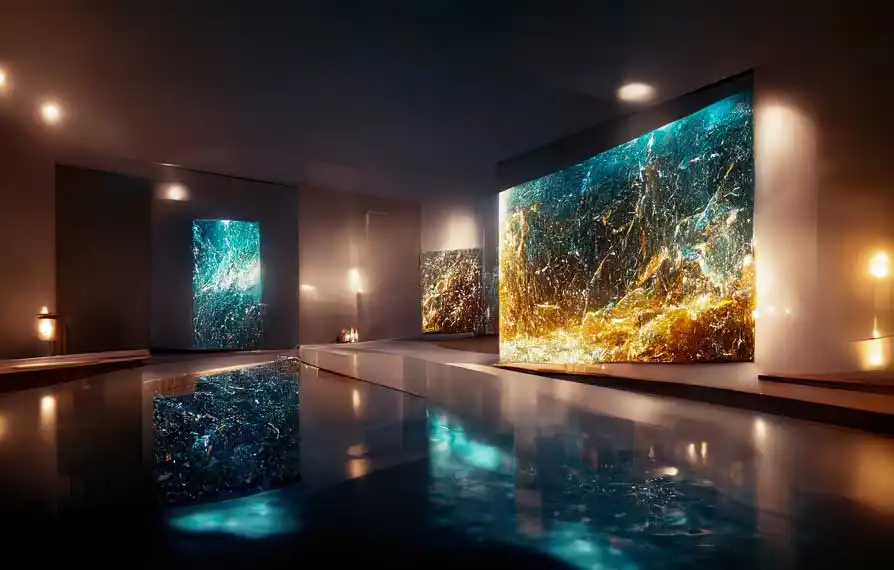
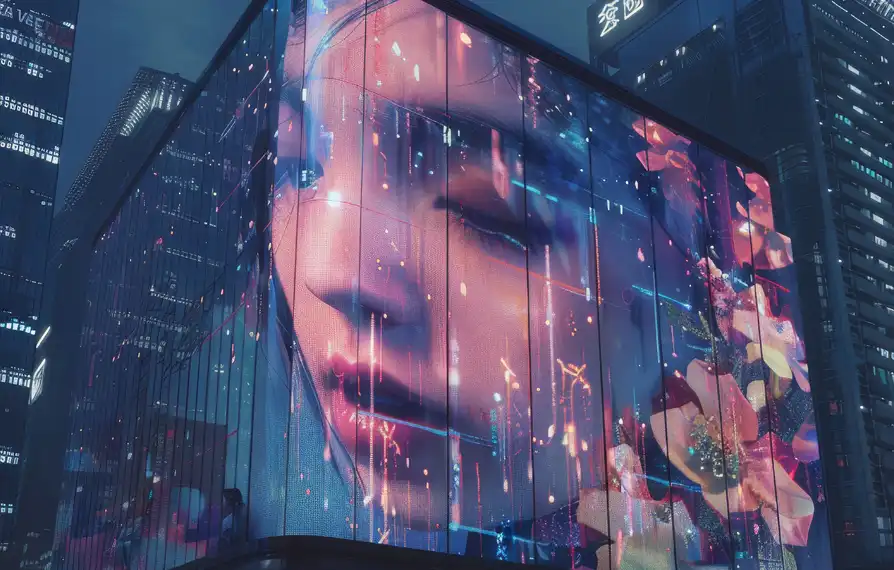
Beyond traditional flat panels, curved and flexible LED screens are gaining traction. These displays offer designers and architects more freedom to create visually engaging spaces. Whether wrapped around columns or integrated into curved interior surfaces, these innovative screens enhance visual storytelling and elevate the immersive experience for viewers.
3. 3D LED Screens
Another exciting trend is the adoption of 3D LED screens. These displays create a perception of depth without the need for special glasses, providing a stunning visual effect that attracts attention in advertising and entertainment applications. 3D LED screens are now being used at trade shows, retail environments, and outdoor landmarks to deliver memorable and engaging content.
Energy Efficiency and Sustainability
Energy efficiency is another key driver in LED technology advancements. Compared to traditional display systems, LED screens consume significantly less power without compromising brightness or performance. This makes them an excellent choice for businesses looking to reduce operational costs and minimize environmental impact. Additionally, modern LED modules are designed for longer lifespans and easier maintenance, further contributing to sustainability goals.
Interactive and Smart LED Systems
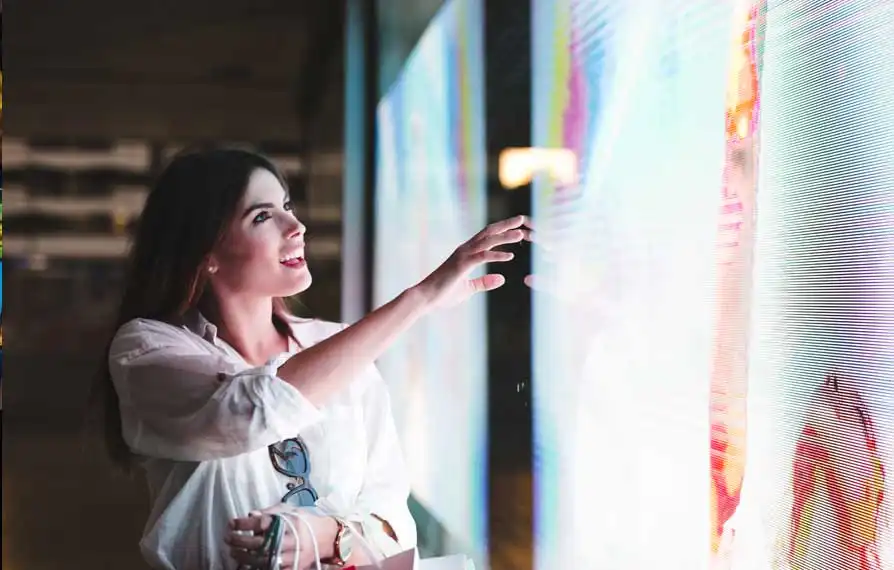
Interactivity is becoming a core feature of modern LED screen installations. Touch-enabled LED screens and systems integrated with motion sensors or AI-powered software allow users to interact directly with the display. This enhances user engagement in environments such as retail spaces, museums, and exhibition halls. Smart LED systems can also connect to data feeds and cloud platforms, enabling real-time updates and dynamic content management.
Outdoor and Weatherproof Solutions
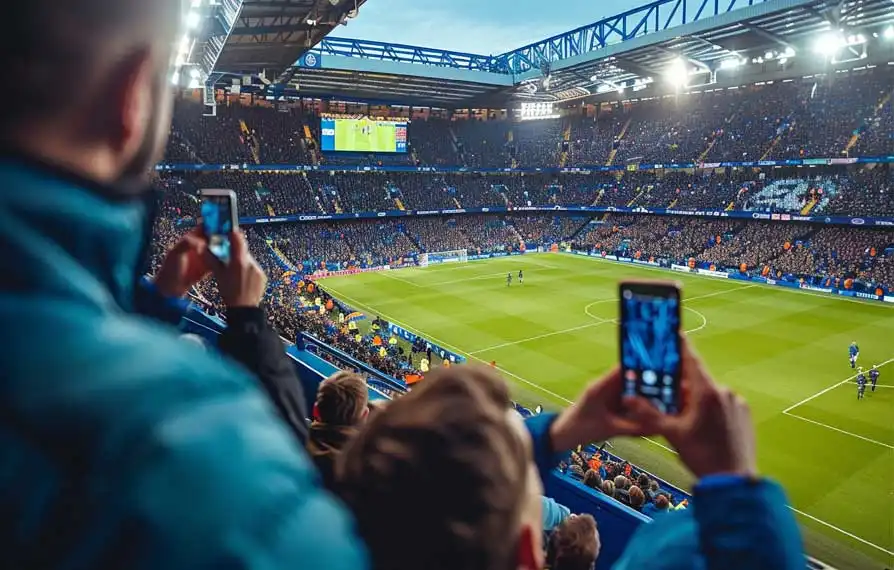
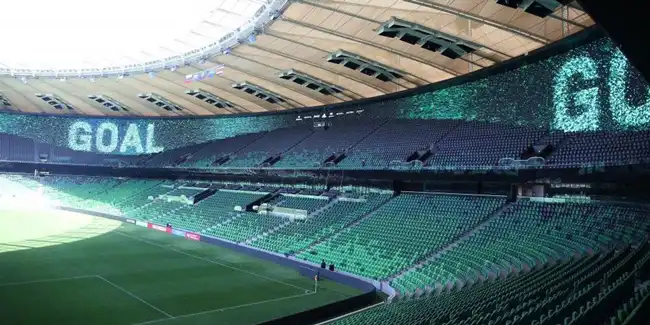
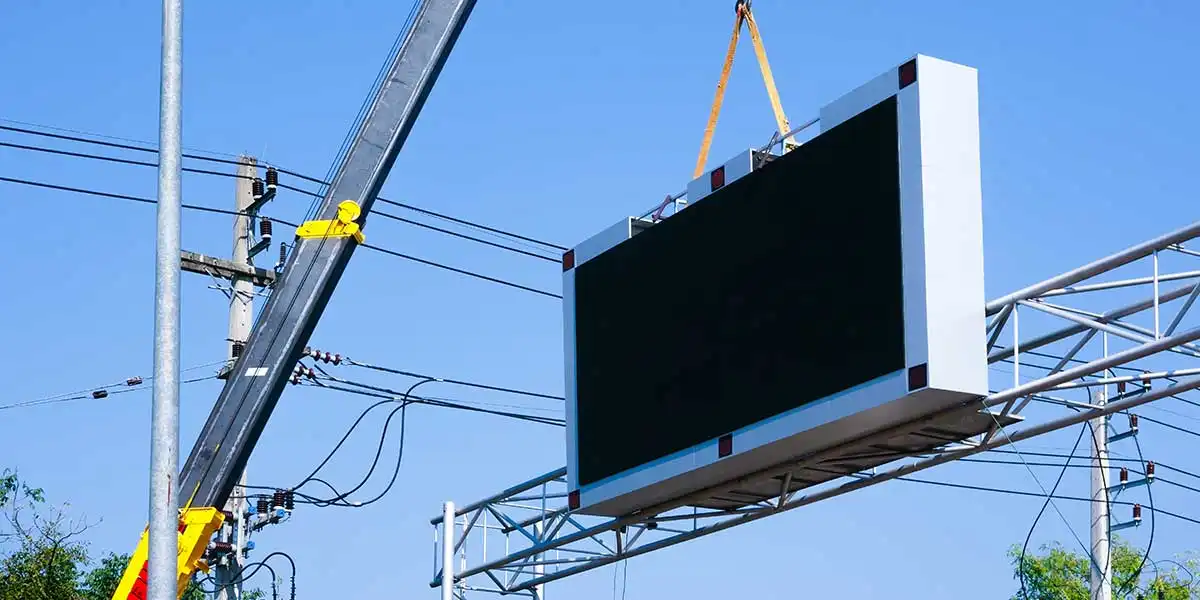
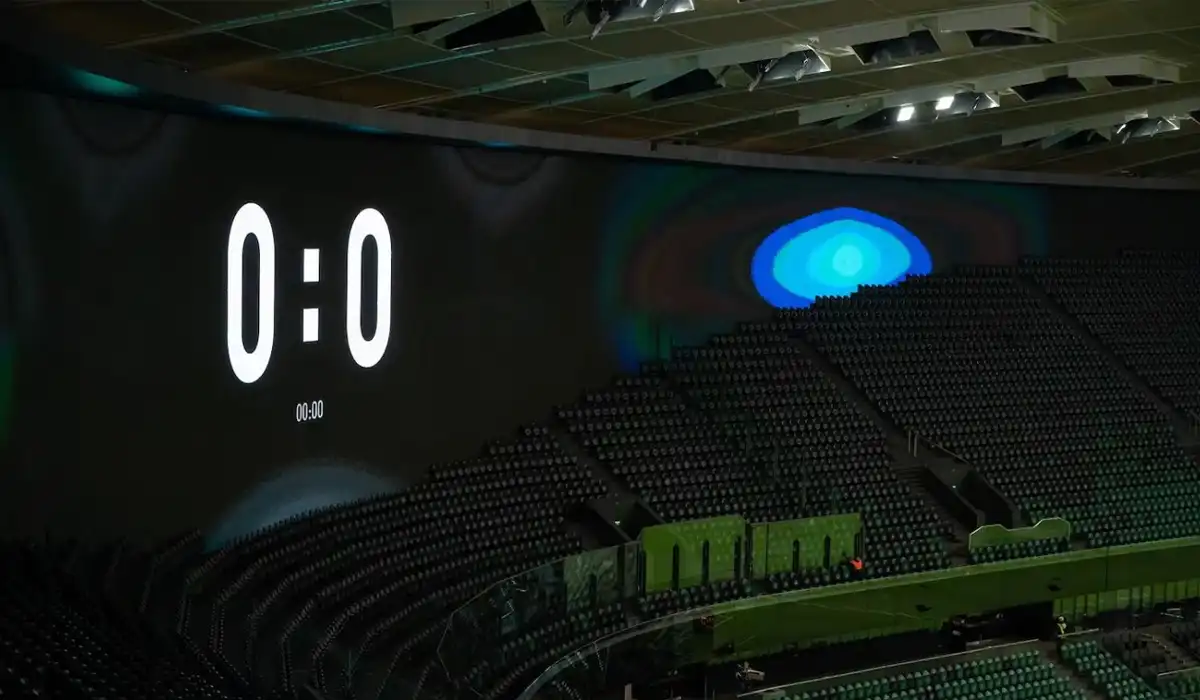
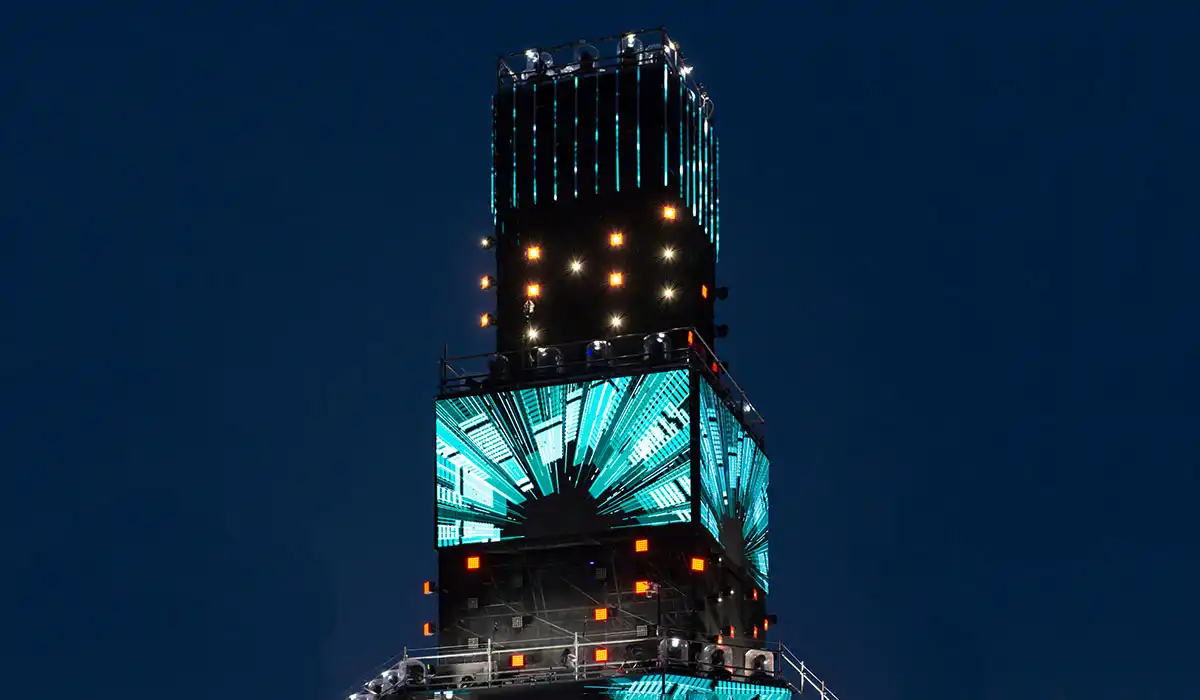
Outdoor LED screens must withstand challenging weather conditions such as rain, heat, and wind. Advances in protective casing, waterproofing, and temperature-resistant components have made outdoor LED screens more durable than ever. These improvements ensure reliable performance in stadiums, transportation hubs, and urban centers where displays are exposed to the elements.
Customization and Modular Designs
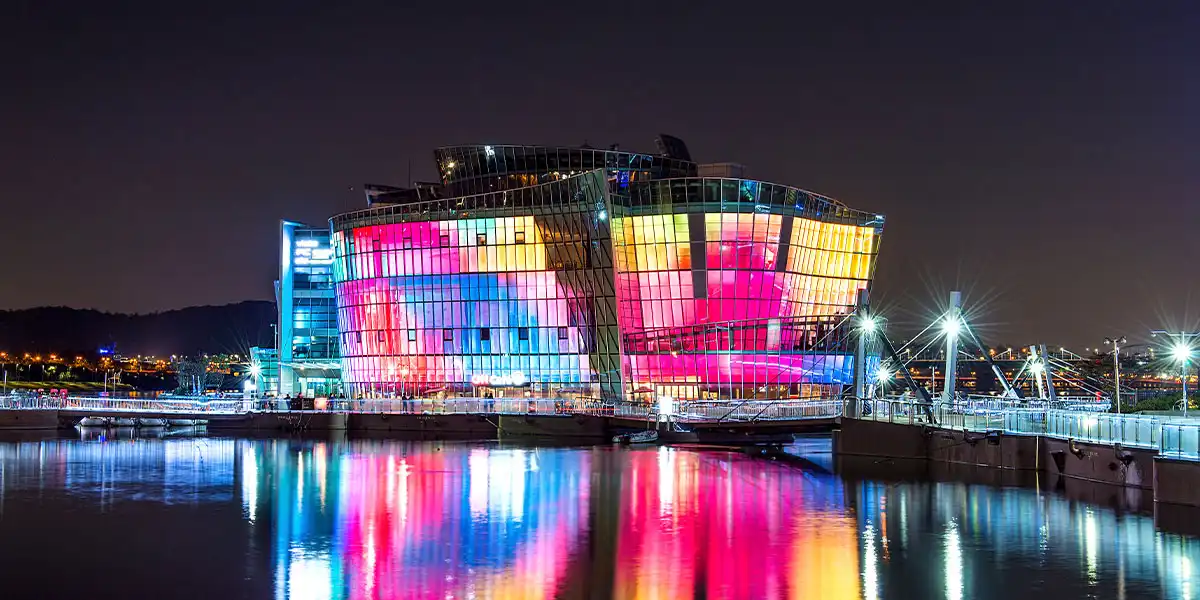
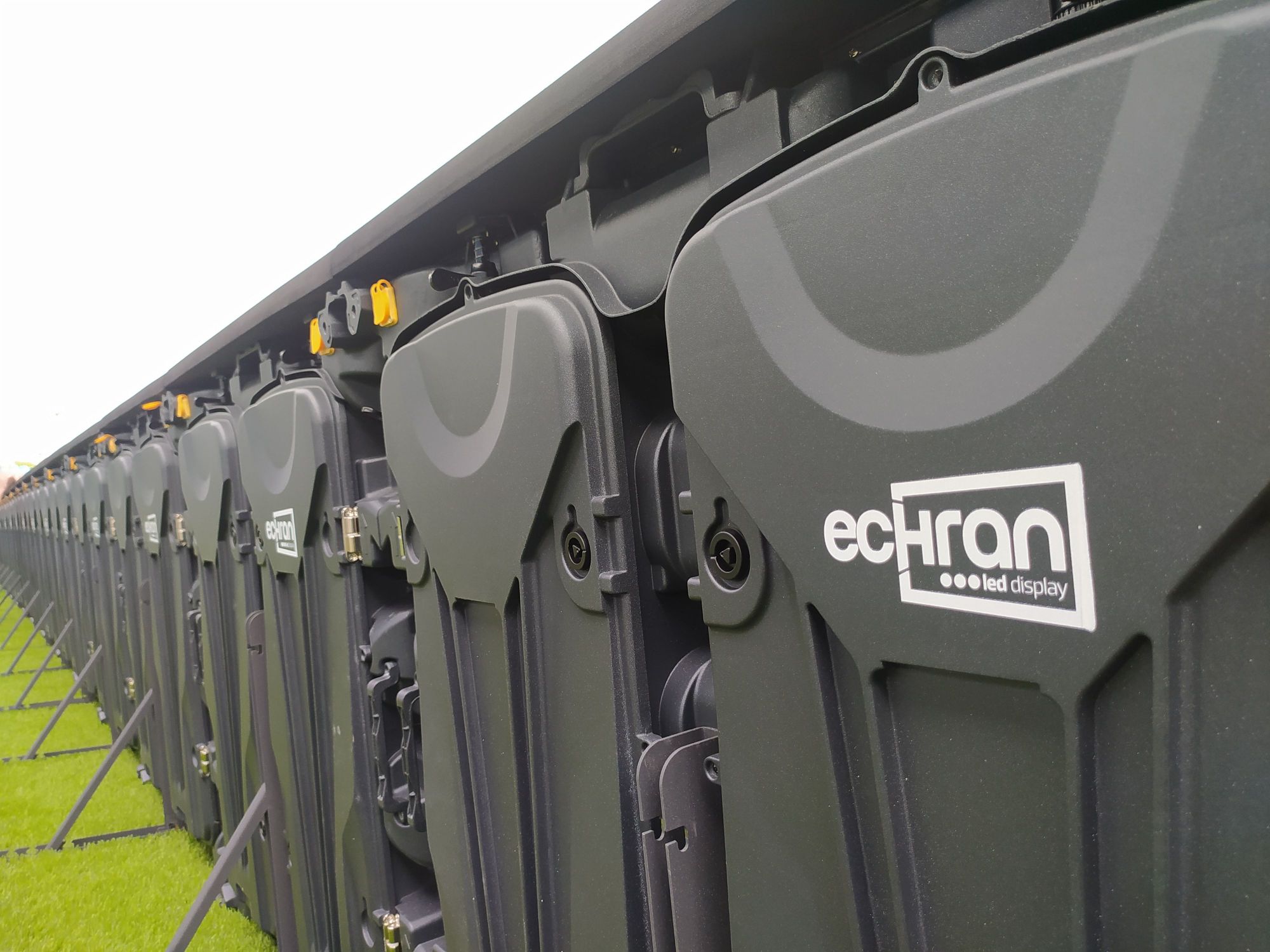
Customization is another trend influencing the LED screen industry. Modular LED systems allow for screens of virtually any size or shape — from ultra-wide video walls to uniquely shaped installations that conform to architectural visions. This flexibility empowers brands and designers to break free from conventional rectangles and create impactful visual experiences tailored to specific environments.
As LED technology continues to advance, LED screens remain at the forefront of modern display solutions. From higher resolutions to flexible designs and interactive capabilities, these innovations are reshaping how we share information, entertain audiences, and communicate visually. Whether for commercial signage, artistic installations, or immersive environments, LED screens offer unmatched performance and versatility. Businesses and creators who embrace these trends are better positioned to deliver engaging and memorable experiences in today’s digital landscape.